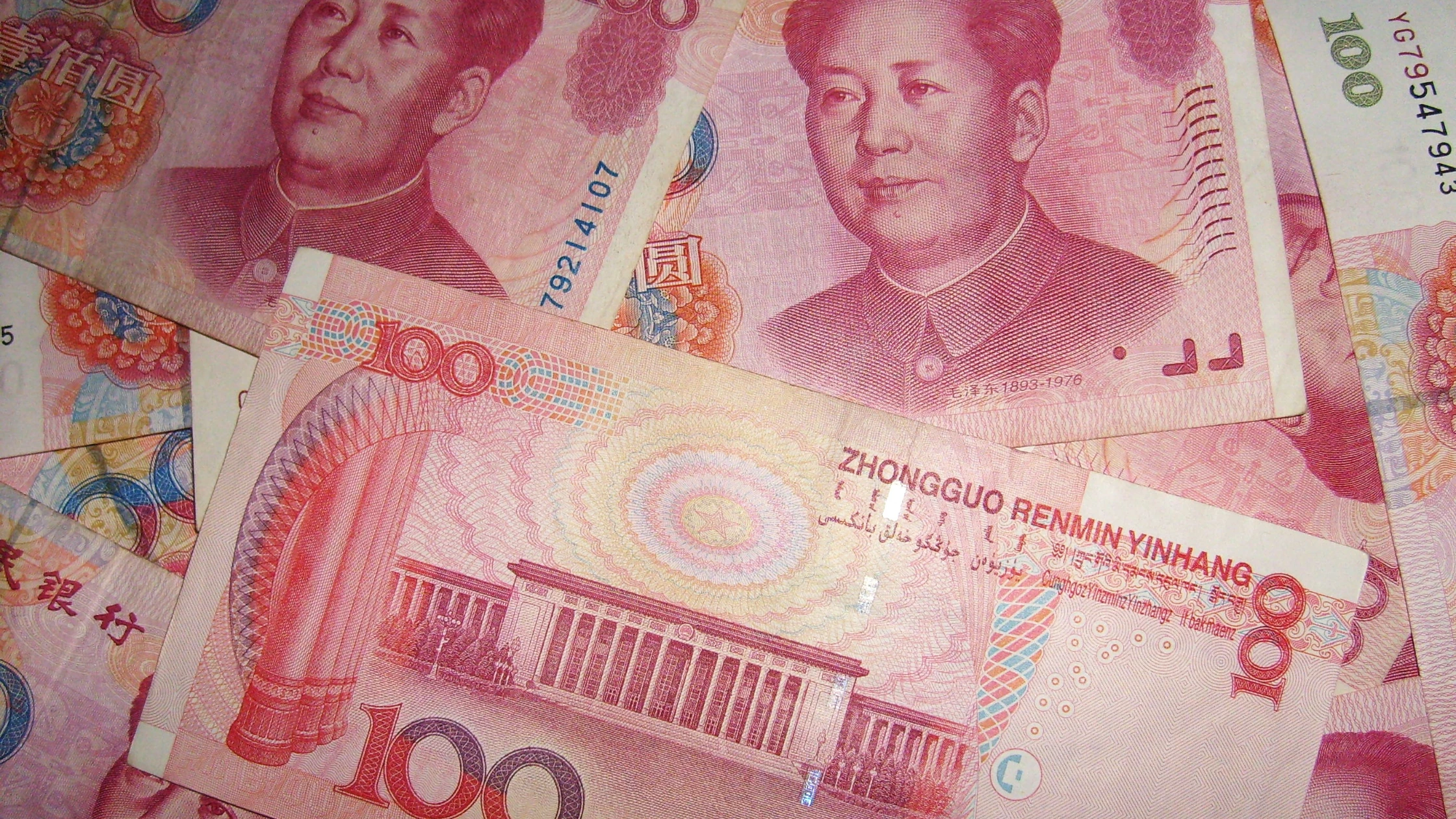
Do You Know? Zambia Accepts Mining Taxes in Chinese Yuan. Zambia is gradually reshaping the way mining taxes are paid as Chinese mining companies operating in the country have reportedly begun settling royalties and tax obligations in Chinese yuan (renminbi) instead of the traditional US dollar.
The development places Zambia among the first African countries to officially confirm the acceptance of yuan-denominated tax payments within its mining sector — a move analysts say reflects China’s growing financial influence across Africa.
Why This Matters for Zambia’s Tax System
Mining remains one of Zambia’s largest sources of government revenue, particularly through copper exports and mineral royalties.
With Chinese firms playing a dominant role in Zambia’s mining industry, accepting tax payments in yuan could:
- Reduce dependence on the US dollar
- Simplify trade and financial transactions with Chinese investors
- Lower foreign exchange conversion costs
- Strengthen Zambia’s financial ties with China
Tax and fiscal experts say the move may also help Zambia manage foreign currency pressures at a time many African economies are facing exchange rate volatility and dollar shortages.
China’s Push to Internationalise the Yuan
The shift is part of China’s broader strategy to expand the global use of the yuan in international trade and finance.
Beijing has increasingly encouraged trading partners to settle transactions directly in renminbi as part of efforts to reduce exposure to Western-controlled financial systems and the dominance of the US dollar.
Recent developments across Africa suggest that the yuan is gaining stronger footing on the continent.
SEE ALSO: Nigeria Urged to Accelerate Digital VAT Reforms as West Africa Targets Revenue Growth
Growing Yuan Adoption Across Africa
Several African countries have recently explored or adopted yuan-related financial arrangements.
Reports indicate that:
- Kenya previously converted some Chinese loans from US dollars into yuan-denominated debt
- Ethiopia has opened discussions around similar financing structures
- Zambia has also indicated interest in restructuring parts of its debt exposure using yuan-based arrangements
Financial institutions across Africa are also expanding yuan settlement systems.
In 2025, the African Export-Import Bank (Afreximbank) and South Africa’s Standard Bank joined China’s Cross-border Interbank Payment System (CIPS), which serves as an alternative to the SWIFT global payment network.
The platform allows businesses to settle transactions with China directly in yuan without relying on the US dollar as an intermediary currency.
Mining Sector at the Centre of Zambia-China Relations
China remains one of Zambia’s biggest economic partners, particularly in the mining sector.
Chinese companies have invested heavily in:
- Copper mining
- Infrastructure development
- Energy projects
- Industrial zones
Analysts believe the acceptance of yuan tax payments could deepen economic integration between Zambia and China, especially as Africa’s demand for infrastructure financing and mineral investment continues to rise.
Possible Implications for African Tax and Trade Systems
Tax policy observers say Zambia’s decision could influence how other African countries approach trade settlement and resource taxation in the future.
Potential implications include:
- Increased use of local or alternative currencies in cross-border tax payments
- Reduced reliance on dollar-based trade systems
- Greater diversification of foreign reserve management
- Closer financial integration between African economies and China
However, economists also caution that wider yuan adoption may require strong monetary management, stable exchange arrangements, and clear regulatory frameworks to avoid currency risks.
What This Means Going Forward
As African governments seek new ways to improve revenue collection, manage foreign exchange challenges, and strengthen trade partnerships, Zambia’s acceptance of yuan-based mining taxes may signal the beginning of a broader shift in Africa’s fiscal and trade landscape.
The development also highlights how taxation, trade, and geopolitics are becoming increasingly interconnected in the continent’s resource-driven economies.