- Government expands tax incentives as it seeks to modernise agriculture, improve food security and attract private investment
- A unified 20% Corporate Income Tax rate for most businesses.
- A 35% Corporate Income Tax rate for companies generating net profits above MAD 100 million.
- Agricultural machinery
- Tractors and farming equipment
- Fertilisers
- Seeds and seedlings
- Crop protection products
- Other key agricultural inputs
- Modern irrigation systems
- Climate-smart agriculture
- Storage infrastructure
- Food processing
- Agricultural technology
- Export-oriented value chains
Morocco Deepens Agricultural Tax Reforms. Morocco is strengthening its tax framework for the agricultural sector with a fresh package of fiscal incentives designed to stimulate investment, improve productivity and build resilience against climate-related challenges.
The reforms, which form part of the country’s broader agricultural transformation agenda, extend generous tax relief to small-scale farmers while encouraging larger agribusinesses to invest in mechanisation, irrigation, value addition and modern farming technologies.
With agriculture contributing around 11–14% of Morocco’s GDP and employing nearly one-third of the country’s workforce, the latest tax measures underscore the government’s recognition that fiscal policy has become a critical tool for driving sustainable agricultural growth.
Morocco Deepens Agricultural Tax Reforms: Tax Relief Continues for Small Farmers
One of the centrepieces of the new framework is the continued exemption from both Corporate Income Tax (IS) and Personal Income Tax (IR) for agricultural producers whose annual turnover does not exceed MAD 5 million (approximately US$500,000).
The permanent exemption is intended to shield smallholder and family-owned farms from excessive tax burdens while allowing them to reinvest more of their earnings into expanding production.
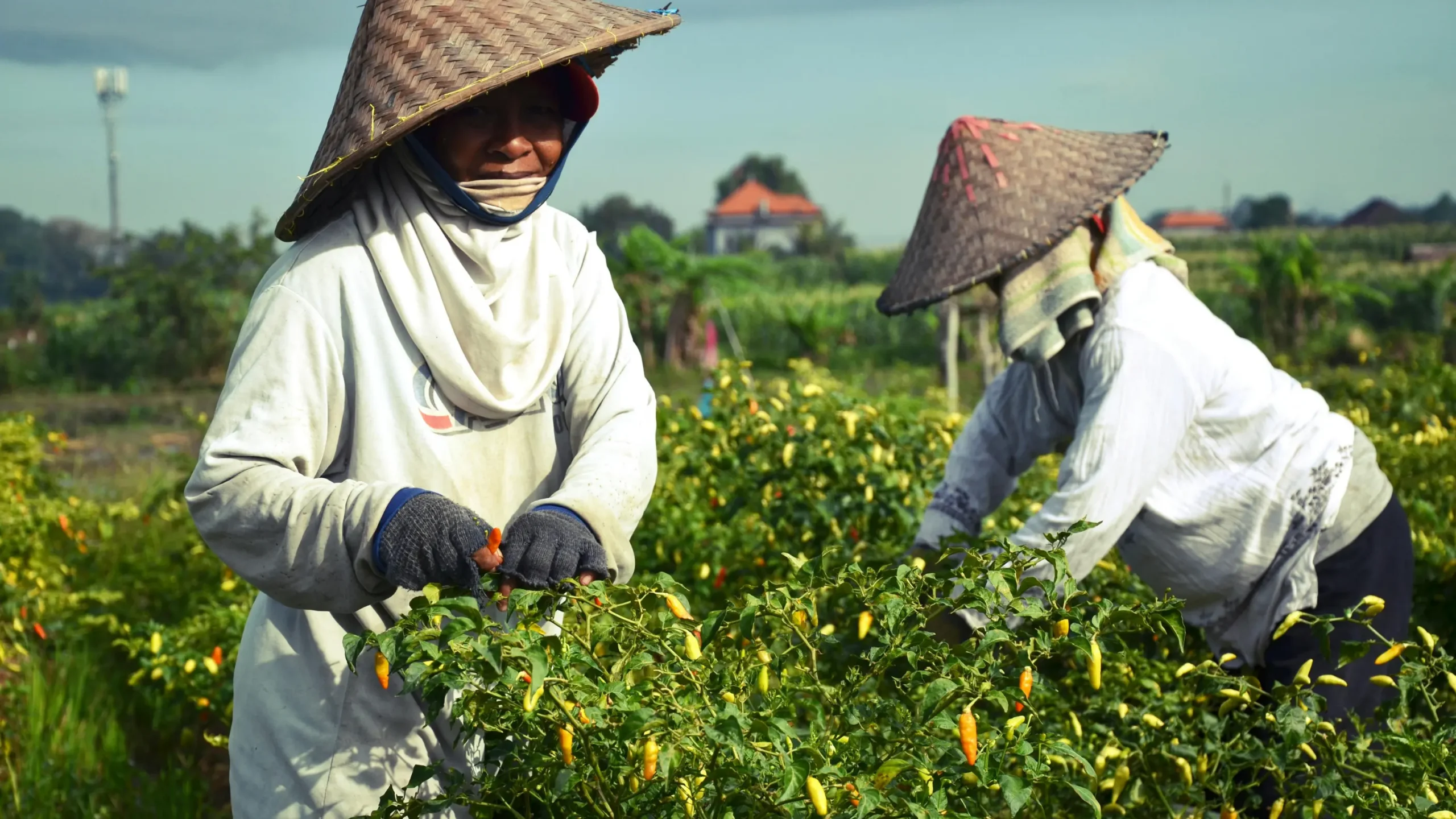
Small-scale farmers remain the backbone of Morocco’s agricultural economy, making this measure particularly significant for rural development and employment.
By preserving this exemption, the government hopes to encourage greater formalisation within the sector while protecting producers from increasing production costs driven by inflation, water scarcity and climate change.
Larger Agribusinesses Move into the Standard Tax System
While smaller producers continue to enjoy broad exemptions, larger agricultural enterprises will operate under Morocco’s general tax framework.
Agricultural companies exceeding the revenue threshold will generally be subject to:
Individual farmers exceeding the exemption threshold will similarly become subject to Morocco’s progressive personal income tax system applicable to professional income.
The approach reflects Morocco’s effort to balance revenue mobilisation with targeted support for smaller producers.
SEE ALSO: Egypt’s New Tax Incentive Package Signals a Shift Toward Investment-Led Growth
VAT Incentives Remain a Major Investment Tool
Beyond income taxation, Morocco continues to maintain one of the region’s more favourable VAT regimes for agriculture.
Several agricultural activities remain outside the scope of Value Added Tax (VAT), particularly the sale of agricultural products in their natural form or after basic non-industrial processing.
The government also continues to exempt numerous essential farming inputs from VAT, including:
These incentives are expected to lower production costs while encouraging farmers to adopt more efficient farming methods.
Agricultural Machinery Retains Tax Advantage
Another notable feature of the reforms is the continued exemption from Morocco’s Annual Special Tax on Motor Vehicles (TSAV) for tractors and agricultural machinery used exclusively for farming purposes.
The measure helps reduce operating expenses for producers while supporting increased mechanisation across the agricultural sector.
Additional fiscal incentives also remain available for agricultural land restructuring projects, property registration linked to farming investments and other qualifying agricultural development initiatives.
Agriculture at the Centre of Morocco’s Economic Strategy
The reforms come as Morocco continues implementing its long-term agricultural development strategy aimed at improving productivity while adapting to increasingly severe climate conditions.
Recurring droughts, rising input costs and pressure on water resources have intensified calls for greater investment in:
Rather than relying solely on production growth, policymakers are increasingly positioning agriculture as a higher-value investment sector capable of generating employment, exports and rural industrialisation.
Africa Tax Review Analysis
Morocco’s latest agricultural tax reforms demonstrate how fiscal policy can be used not only to raise revenue but also to influence investment behaviour.
Instead of imposing additional taxes on the sector, the government is selectively reducing the tax burden where it believes investment can generate long-term economic returns. Protecting small farmers while encouraging larger agribusinesses to modernise creates a more balanced framework that supports both social inclusion and commercial competitiveness.
The reforms also reflect a wider trend emerging across Africa. Governments are increasingly using tax incentives to strengthen strategic sectors such as agriculture, manufacturing and renewable energy rather than relying solely on direct public spending.
As food security, climate resilience and rural employment become national priorities, targeted agricultural tax incentives are likely to feature more prominently in future fiscal reforms across the continent.