- New Taxpayer Bill of Rights and Obligations will clarify protections, complaint channels and responsibilities as Nigeria strengthens its tax administration framework
Nigeria’s Tax Ombud Moves to Put Taxpayer Rights on the Same Page as Tax Obligations. Nigeria’s evolving tax reform agenda is taking a new direction: alongside efforts to improve revenue collection, the government is placing greater emphasis on what taxpayers can expect from the authorities collecting those taxes.
The Office of the Tax Ombud (OTO) is preparing to launch a Taxpayer’s Bill of Rights and Obligations, a charter designed to give individuals and businesses clearer information on their rights, responsibilities and avenues for redress when they encounter problems with tax and revenue authorities.
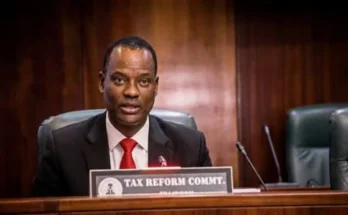
The initiative was disclosed by the Chief Executive and Tax Ombud, Dr John Nwabueze, during a stakeholder engagement in Abuja. The proposed charter is expected to outline the standards of fairness, transparency and accountability taxpayers should expect while also setting out the obligations they must meet.
The development comes as Nigeria continues to overhaul its tax administration architecture under the Joint Revenue Board of Nigeria (Establishment) Act, 2025, which established the Office of the Tax Ombud as part of a broader framework for improving revenue administration and taxpayer protection.
From “Pay Your Tax” to “Know Your Rights”
The proposed Bill of Rights could represent an important shift in Nigeria’s approach to taxpayer engagement.
For years, discussions around tax administration have largely focused on taxpayers’ obligations, registration, filing returns, paying assessments and complying with regulatory requirements.
The Tax Ombud’s approach introduces another dimension: taxpayers should also understand what they are entitled to expect from government agencies.
According to the OTO, its mandate is not to collect taxes but to protect taxpayer rights, address administrative unfairness and promote transparency and accountability within the tax system.
The planned charter is therefore expected to help taxpayers better understand where they can seek assistance when issues arise, particularly where the problem concerns administrative treatment rather than whether a particular tax is legally payable.
Nwabueze said the document would be distributed through the OTO’s digital platforms and other public channels, while revenue agencies would also be encouraged to make it accessible through their offices and websites.
Why the Charter Matters
The significance of the proposed framework goes beyond simply publishing a list of taxpayer rights.
Nigeria is introducing major changes to its tax system at a time when government is seeking higher domestic revenue, broader compliance and greater use of technology.
For such reforms to work, taxpayers need to believe that the system is predictable and that disputes can be addressed without unnecessary delays or administrative barriers.
The OTO itself identifies public trust, taxpayer protection and voluntary compliance as central to its mandate.
This creates an important link between taxpayer protection and revenue mobilisation: taxpayers who understand both their obligations and their rights may be more willing to comply voluntarily.
A New Route for Administrative Complaints
The Tax Ombud was established partly to address a gap in Nigeria’s tax dispute landscape.
A taxpayer disputing the substantive validity of an assessment may use established objection procedures, the Tax Appeal Tribunal or the courts. However, not every tax-related problem necessarily concerns the amount of tax owed.
Issues can also arise from administrative delays, poor communication, procedural difficulties or the way a taxpayer is treated by a revenue agency.
The OTO is designed to provide an avenue for addressing such complaints.
Under the Joint Revenue Board Act, the Office can receive complaints relating to taxes, levies, regulatory fees and charges, customs duties and excise matters. The legislation also provides for investigations to be conducted within 14 days, subject to a possible seven-day extension where necessary.
The OTO has consequently positioned itself as a mechanism for resolving administrative grievances before they escalate into lengthy disputes.
SEE ALSO: Kenya Opens 2027 Tax Agenda Early, Invites Businesses to Shape 2027 Tax Bill
Tax Ombud Wants Revenue Agencies to Appoint Liaison Officers
As part of the effort to make the system work more effectively, Nwabueze has called on revenue-generating agencies to designate liaison officers to interface directly with the Tax Ombud.
The proposed arrangement would give each agency a dedicated contact for complaints referred by the OTO.
This could help reduce one of the common challenges in public-sector dispute resolution: complaints moving between departments without a clear person or institution responsible for responding.
According to the Tax Ombud, liaison officers could facilitate the exchange of information, follow up on complaints and help identify recurring administrative problems.
The approach could also allow revenue authorities to address systemic weaknesses rather than simply resolving individual complaints one at a time.
The Office Is Taking Its Services Beyond Abuja
The OTO is also moving towards a wider physical presence across Nigeria.
Nwabueze disclosed that the office is working with state governments to establish zonal offices, with at least three expected to commence operations in the coming weeks.
The broader plan is to establish a presence across Nigeria’s six geopolitical zones. Enugu has already been designated as the South-East zonal headquarters, according to the OTO.
This is significant because taxpayer protection is of limited value if access to the institution is concentrated in Abuja.
For businesses and individuals operating far from the Federal Capital Territory, regional offices could make it easier to submit complaints, seek information and engage with the Ombud without travelling long distances.
Digital Complaints Infrastructure Is Also Expanding
The physical expansion is being complemented by digital channels.
The OTO has launched online platforms through which taxpayers can submit complaints, track cases and obtain information. Its website currently provides dedicated channels for individual and corporate tax complaints, with case tracking built into the process.
The office also operates a toll-free contact channel and SMS/callback facility for taxpayers seeking assistance.
This digital infrastructure could become increasingly important as Nigeria’s wider tax administration becomes more technology-driven.
The objective, however, is not simply to digitise complaints. It is to make the entire process more transparent by allowing taxpayers to know where their complaint stands and what action is being taken.
A Broader Test for Nigeria’s Tax Reform
The emergence of the Tax Ombud comes at an important stage in Nigeria’s tax reform journey.
The Federal Government is simultaneously pursuing broader reforms aimed at simplifying tax administration, improving revenue collection and reducing fragmentation across the tax system.
But stronger enforcement alone may not deliver sustainable compliance.
A tax system can impose obligations on taxpayers, but long-term compliance also depends on whether taxpayers believe those obligations are being administered fairly.
This is where the Tax Ombud’s role could become particularly important.
The office’s statutory mandate includes identifying and responding to systemic issues affecting tax administration and, where necessary, making recommendations concerning policies or administrative actions.
That gives the institution a role beyond resolving individual complaints. It can potentially identify recurring problems within the tax system and push for broader administrative improvements.
Africa Tax Review Analysis
Nigeria’s proposed Taxpayer Bill of Rights and Obligations may appear, at first glance, to be a taxpayer-awareness initiative. Its wider significance, however, lies in the relationship it seeks to establish between revenue mobilisation and taxpayer confidence.
Nigeria wants more people and businesses within the formal tax system. But bringing more taxpayers into the system also means creating mechanisms that make participation more predictable and fair.
The proposed charter could therefore become an important reference point for taxpayers navigating the country’s increasingly complex tax environment.
Its success will ultimately depend on more than publication. Taxpayers will need to know their rights, revenue agencies will need to respect the standards set out, and the Tax Ombud will need sufficient institutional capacity to address complaints and systemic problems effectively.