Uganda Drops Tax on Diaspora Remittances, Passes Key Income Tax Reforms. Uganda’s Parliament has passed the Income Tax (Amendment) Bill, 2026, rejecting controversial proposals to tax income earned abroad by Ugandan workers and gains from the sale of personal assets.
The decision followed deliberations by lawmakers who raised concerns about fairness, enforceability, and the potential economic impact of the proposed measures.
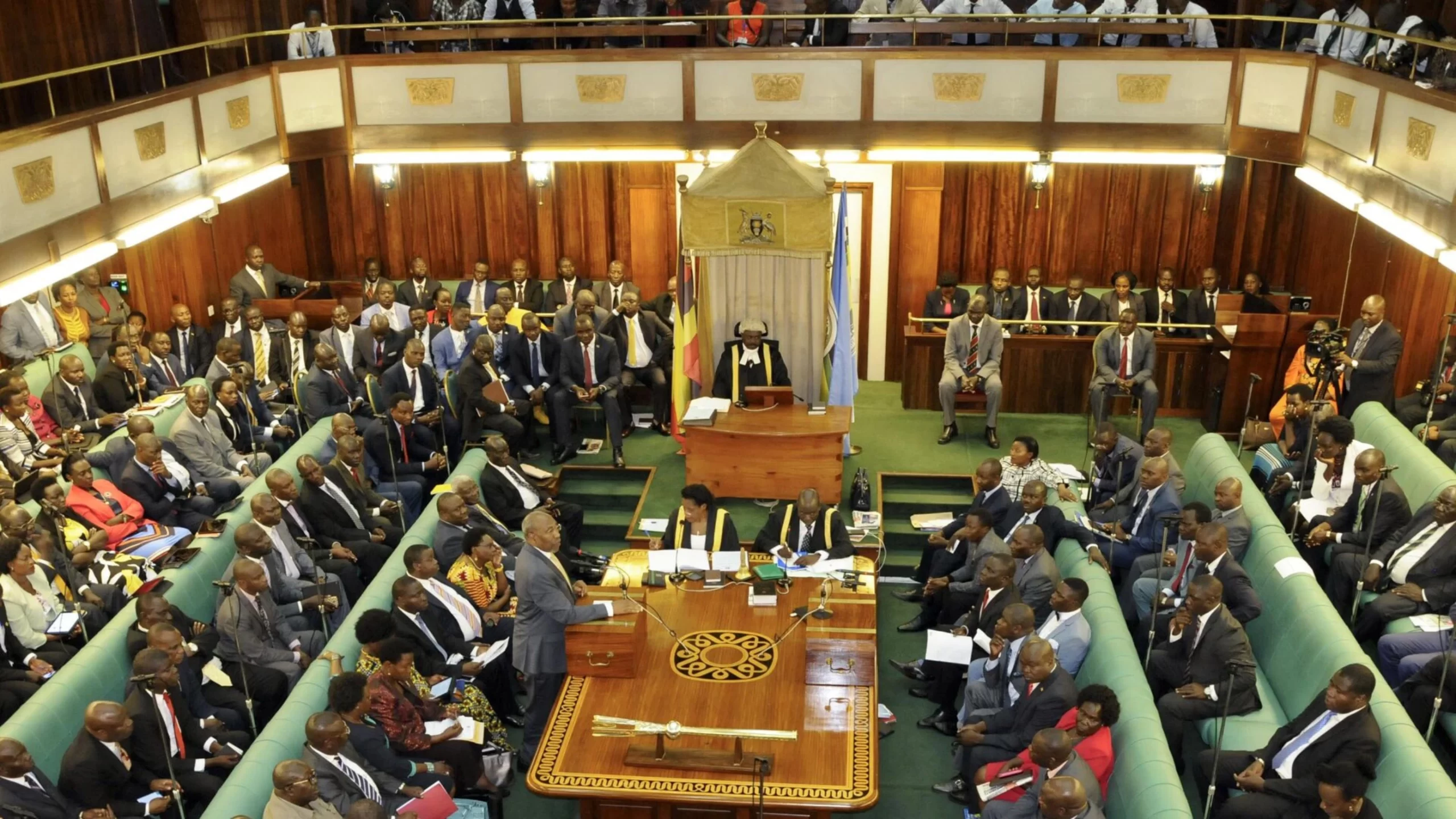
The sitting, presided over by Speaker Anita Among, forms part of broader legislative efforts to strengthen revenue mobilisation ahead of the 2026/2027 fiscal year.
Parliament Rejects Tax on Diaspora Income (‘Kyeyo’)
A key highlight of the debate was the rejection of a proposal to tax income earned and remitted by Ugandans working abroad—commonly referred to as “kyeyo” earnings.
Lawmakers expressed concern that such a tax would disproportionately affect low-income migrant workers, particularly those employed in the Middle East under challenging conditions.
According to legislators, many of these workers rely on modest earnings to support families back home, making additional taxation both burdensome and socially insensitive.
Concerns Over Taxing Personal Asset Sales
Parliament also struck out provisions seeking to tax gains from the disposal of non-business assets, including land, jewellery, and household items.
The Finance Committee, chaired by Amos Kankunda, reportedly argued that distinguishing between personal and commercial transactions would be difficult in practice.
The committee maintained that such assets are often sold for personal reasons—such as covering medical expenses—and should not form part of the taxable base.
Some lawmakers further warned that the proposal could lead to excessive taxation of everyday transactions, raising compliance and enforcement concerns.
SEE ALSO: Taxation of Dividends in ECOWAS: Key Rules Every Nigerian Business and Investor Must Understand
Government Acknowledges Enforcement Challenges
While defending the proposals, State Minister for Finance (General Duties), Henry Musasizi, indicated that the intention was to capture disguised business activities.
However, he reportedly acknowledged the difficulty in differentiating legitimate personal transactions from commercial ones, which contributed to Parliament’s decision to remove the provision.
Balancing Revenue and Taxpayer Protection
The reforms were reviewed alongside the Lotteries and Gaming (Amendment) Bill, 2026, as part of government efforts to strengthen domestic revenue mobilisation.
According to the Finance Committee, the objective was to strike a balance between expanding the tax base and protecting taxpayers from excessive or impractical tax measures.
Extension of Bujagali Tax Exemption
In a significant move, Parliament approved a six-year extension of the tax exemption granted to the Bujagali Hydropower Project, pushing it to 2032.
Lawmakers argued that removing the exemption could lead to higher electricity tariffs, placing additional pressure on households and businesses.
Digital Economy Inclusion and Other Reforms
The new law introduces several structural changes to Uganda’s tax system.
Notably, software has been classified under royalties, effectively bringing certain digital services within the tax net as the country adapts to the evolving digital economy.
In addition, employees earning up to UGX 335,000 per month will now be exempt from Pay As You Earn (PAYE), a move aimed at easing the tax burden on low-income earners.
Boost for Tourism and Investment
The legislation also reduces the minimum investment threshold for hotel developers from $5 million to $1.5 million.
This policy shift is expected to attract more local and foreign investment into Uganda’s tourism sector, supporting job creation and economic diversification.
Gaming Sector Tax Reforms
Parliament also passed amendments to the gaming sector, harmonising tax rates and standardising the treatment of lottery and betting activities.
Analysts say this could improve regulatory clarity and enhance revenue collection from the fast-growing sector.
What This Means for Uganda’s Tax Landscape
The passage of the Income Tax (Amendment) Bill, 2026 reflects Uganda’s cautious approach to tax reform—prioritising revenue generation while avoiding policies that could negatively impact vulnerable populations or discourage economic activity.
By rejecting taxes on diaspora income and personal asset sales, Parliament has signalled a focus on equity and practicality in tax policy design.
At the same time, the inclusion of digital services and targeted investment incentives indicates a broader effort to modernise the tax system and position the economy for future growth.