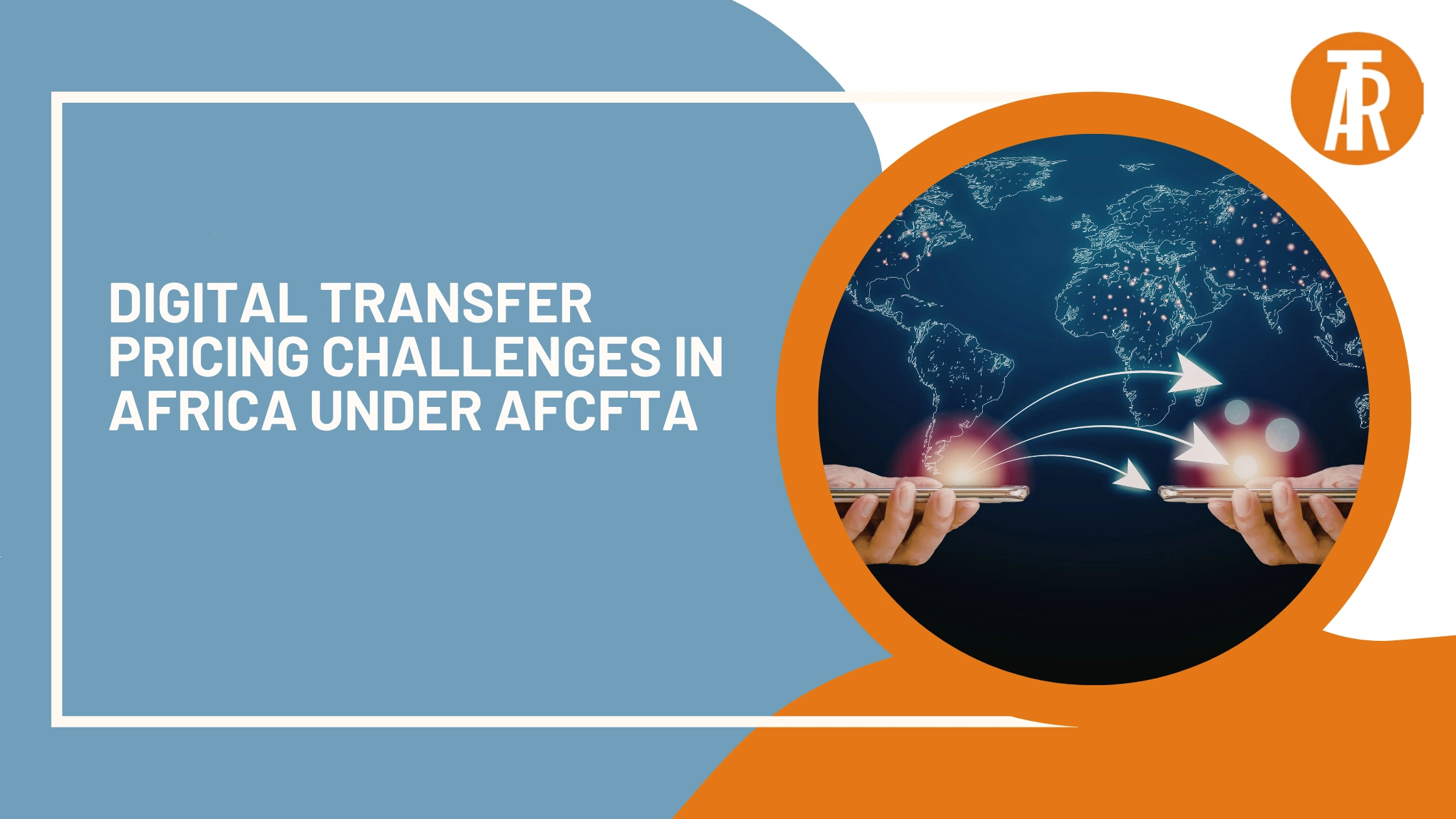
Digital Transfer Pricing Challenges in Africa under AfCFTA. The rapid expansion of the digital economy across Africa—accelerated by the African Continental Free Trade Area—is fundamentally changing how value is created, delivered, and monetised. Digital businesses now operate across borders with minimal physical presence, relying on intangibles, data, platforms, and algorithms.
This transformation has created a new frontier in taxation:
How can the Arm’s Length Principle be applied effectively to digital transactions where value creation is diffuse, data-driven, and highly intangible?
Digitalisation has exposed structural weaknesses in traditional transfer pricing frameworks, particularly in the African context.
What Is Digital Transfer Pricing?
Digital transfer pricing refers to:
- the pricing of cross-border transactions involving:
- digital services
- software
- platforms
- data
- intellectual property
Between related entities within a multinational group.
Examples include:
- SaaS subscriptions between group entities
- licensing of software or platforms
- digital advertising revenue allocation
- data monetisation structures
- cloud service arrangements
Why Digital TP Is a Major Issue in Africa
AfCFTA promotes:
- digital trade
- cross-border services
- regional integration
Insight:
Digital taxation and transfer pricing are key emerging challenges in AfCFTA implementation
Result:
- increased digital transactions
- limited regulatory readiness
- growing tax risks
READ ALSO: Interest Income Across ECOWAS: Withholding Tax Implications Every Nigerian Business Must Understand
Core Challenges in Digital Transfer Pricing
Difficulty in Identifying Value Creation
Digital businesses:
- create value through:
- user participation
- data
- network effects
Challenge:
- determining:
- where value is created
- who contributes to value
Intangible Asset Dominance
Digital companies rely heavily on:
- IP
- algorithms
- software
Challenge:
- valuation of intangibles
- allocation of profits
Lack of Physical Presence
Traditional TP relies on:
- physical operations
Digital businesses:
- operate remotely
Challenge:
- applying traditional PE and TP rules
Limited Comparable Data
Digital transactions:
- often unique
- lack market comparables
Challenge:
- benchmarking arm’s length prices
Centralised IP Structures
Multinationals:
- locate IP in low-tax jurisdictions
Challenge:
- profit shifting through royalties
Allocation of Digital Revenues
Revenue sources include:
- subscriptions
- advertising
- platform fees
Challenge:
- allocating income across jurisdictions
Data as an Economic Asset
User data:
- generates value
Challenge:
- should jurisdictions where users are located:
- have taxing rights?
Inconsistent Tax Rules Across Africa
Countries apply:
- different TP frameworks
- varying digital tax rules
Challenge:
- fragmented compliance
Interaction with VAT and Digital Taxes
Digital transactions may attract:
- VAT
- withholding tax
- digital services tax
Challenge:
- multiple layers of taxation
Weak Enforcement Capacity
Tax authorities face:
- lack of technical expertise
- limited digital audit tools
Practical Illustration
A multinational digital platform operates in Africa:
- IP owned in a low-tax jurisdiction
- services provided across multiple African countries
- revenue generated from users
TP issues:
- allocation of profits
- pricing of intra-group services
- royalty payments
Risk:
- profit shifting
- tax disputes
Economic Implications
Revenue Loss
- untaxed digital income
Increased Profit Shifting
- use of intangibles
Tax Inequality
- digital firms pay less tax than traditional businesses
Reduced Policy Effectiveness
- outdated tax rules
Policy Challenges
Applying Arm’s Length Principle
- difficult in digital context
Lack of Coordination
- fragmented policies
Balancing Innovation and Taxation
- avoid discouraging digital growth
Global vs Regional Approaches
- aligning with international standards
Policy Responses for Africa
Develop Digital TP Guidelines
- African-specific frameworks
Introduce Economic Presence Rules
- redefine nexus
Strengthen Intangible Valuation Methods
- improve pricing techniques
Harmonise Digital Tax Policies
- align VAT and digital taxes
Enhance Data Sharing
- improve transparency
Build Capacity
- train tax officials
Leverage Technology
- digital audit tools
9. Strategic Implications
For Governments
- need to modernise tax systems
For Businesses
- increased compliance complexity
For Investors
- demand clarity
The Way Forward
Africa must:
- adapt TP frameworks to digital economy
- coordinate policies across jurisdictions
- balance revenue and innovation
Conclusion
Digital transfer pricing represents one of the most complex challenges in Africa’s tax landscape under AfCFTA. Traditional frameworks are struggling to keep pace with the realities of digital business models.
To ensure effective taxation:
- Africa must modernise its TP rules
- strengthen enforcement
- enhance regional cooperation
Final Insight
In the digital economy, value is invisible—but profits are real.
If Africa cannot track and price digital value,
it risks losing the most important tax base of the future.