Blue-Chip Firms Record ₦3.04 Trillion Tax Bill as FG Weighs Fuel Tax. Nigeria’s drive to strengthen tax revenue is drawing attention to a growing question. While major listed companies recorded ₦3.04 trillion in tax expenses in the first half of 2026, the Federal Government is considering an additional fuel tax, with implementation dependent on improved economic conditions and household incomes.
The figures from 20 companies listed on the Nigerian Exchange Limited represent a 79.5 per cent increase from ₦1.69 trillion recorded in the corresponding period of 2025, according to a report by ThisDay. The companies operate across oil and gas, banking, telecommunications, cement manufacturing and fast-moving consumer goods.
The figures come as Nigeria begins implementing a new tax framework intended to simplify tax administration, improve compliance and strengthen revenue collection. However, the proposed fuel tax highlights the challenge of expanding government revenue while ensuring that households and businesses can cope with the cost of economic adjustment.
Oil and Gas Companies Lead Corporate Tax Expenses
Seplat Energy and Aradel Holdings recorded the largest tax expenses among the companies covered by the report.
Seplat Energy reported ₦564.94 billion in tax expenses for the first half of 2026, an increase of 37.2 per cent from ₦411.59 billion a year earlier. Aradel Holdings recorded ₦561.7 billion, compared with ₦44.92 billion in the corresponding period of 2025.
The figures underline the substantial tax obligations associated with Nigeria’s oil and gas industry, although changes in reported tax expenses can reflect profitability, petroleum-sector tax rules, foreign exchange movements and deferred tax adjustments, rather than changes in cash tax payments alone.
MTN Nigeria Communications recorded tax expenses of ₦384.05 billion, up 85 per cent from ₦207.41 billion in the first half of 2025. Dangote Cement reported ₦342.85 billion, representing a 63.6 per cent increase from ₦209.6 billion.
Nine banks included in the analysis collectively recorded ₦845.79 billion in tax expenses, an increase of approximately 42 per cent from ₦596.79 billion a year earlier. Zenith Bank led the group with ₦206.84 billion, compared with ₦93.45 billion in the same period of 2025.
These figures offer a snapshot of the tax burden recorded by some of Nigeria’s largest businesses. However, tax expenses recognised in financial statements should not automatically be interpreted as the amounts of cash tax remitted to the Nigeria Revenue Service or other government agencies during the period.
What the New Tax Framework Means for Companies
The Nigeria Tax Act 2025 and related legislation took effect on January 1, 2026, introducing a consolidated framework for several areas of taxation and administration.
Under the new framework, the standard corporate income tax rate for companies other than small companies remains 30 per cent. The Act also introduces a four per cent development levy on assessable profits for companies within its scope, excluding small companies and non-resident companies. The levy consolidates several previously separate federal levies, with proceeds allocated to designated education, technology, security and development-related funds.
The changes have implications beyond the amount of tax recorded by a company. Businesses must consider their tax liabilities, compliance processes, cash flow, investment plans and the potential effect of tax expenses on profits available for shareholders.
The actual impact will vary across sectors and companies. Profitability, applicable exemptions, incentives, capital expenditure and financing arrangements can all influence a company’s effective tax position.
For the government, the challenge is to translate the new framework into stronger compliance and sustainable revenue without creating unnecessary uncertainty for businesses or discouraging productive investment.
The Federal Government issued transition guidelines in June 2026 to clarify how taxpayers and revenue authorities should handle the move from the previous tax laws to the new regime. These guidelines address issues including assessments, audits, tax incentives, returns and liabilities relating to periods before and after the commencement of the new framework.
Fuel Tax Plans Put Household Purchasing Power in Focus
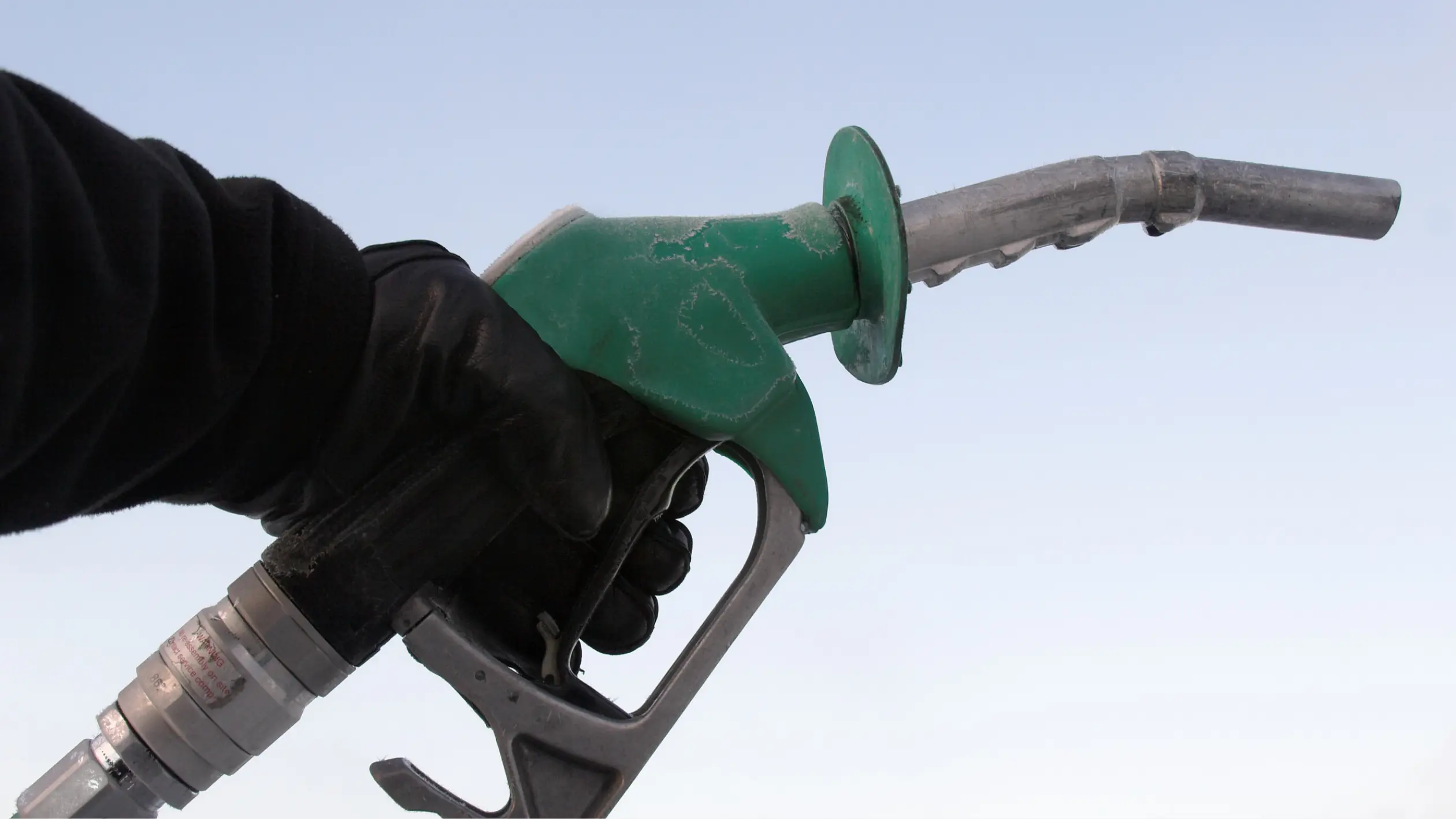
While corporate tax expenses are rising, Finance Minister and Coordinating Minister of the Economy Taiwo Oyedele has indicated that the government intends to introduce fuel taxes only when economic conditions improve sufficiently for Nigerians to absorb the additional costs.
Speaking in an interview with ARISE News on the sidelines of the 2026 International Monetary Fund and World Bank annual meetings in Bangkok, Thailand, Oyedele said the immediate priority was to complete ongoing reforms, restore economic growth and improve household incomes.
He cautioned against introducing additional fuel taxes immediately after the removal of petrol subsidies, arguing that doing so would place excessive pressure on households already facing higher living costs.
According to reports, the proposed tax would be introduced when the economy stabilises and income levels improve. The minister did not provide a specific implementation date or confirm the precise structure and rate of the proposed levy.
Oyedele also explained that fuel taxes account for between 20 and 80 per cent of pump prices in some countries, while several African countries apply multiple taxes to petroleum products.
The government’s proposed approach would link the introduction of fuel taxation to the wider economic recovery rather than implement it immediately. Revenue from the proposed levy is expected to support road infrastructure and fuel reserves intended to help manage future petroleum market shocks.
However, the ultimate effect on consumers and businesses would depend on the tax rate, how it is collected and whether its costs are passed through to pump prices.
The Revenue Opportunity and the Cost of Taxation
The two developments illustrate the competing demands facing Nigeria’s fiscal policy. The government needs reliable revenue to finance infrastructure, public services and development programmes, but higher taxes can also increase costs for businesses and consumers.
Fuel taxation is particularly sensitive because petrol prices influence transport fares, food distribution, manufacturing and the cost of delivering goods and services. An additional levy could therefore affect the operating expenses of companies already adjusting to changes in the tax system, with the extent of the impact depending on how the measure is designed.
At the same time, the N3.04 trillion in tax expenses recorded by the 20 listed companies demonstrates the scale of tax obligations recognised by major players in the formal economy. It does not, on its own, establish how much additional revenue the new tax framework has generated, as the reported figures cover multiple taxes and may reflect changes in earnings and accounting estimates.
The central issue for policymakers is whether the ongoing reforms can produce a broader, more predictable revenue base while allowing businesses to invest, create jobs and expand economic activity.
For taxpayers, the effectiveness of the reforms will also depend on clear rules, consistent administration, transparency in the use of public funds and visible improvements in public services.
As Nigeria considers the next phase of its tax policy, the task is not simply to collect more revenue. It is to build a tax system that can fund national priorities without placing an unsustainable burden on the businesses and households expected to support it.